Skilled observation and assessment in home health are two critical components of ensuring that patients receive high-quality, personalized care. Both involve the ongoing evaluation of a patient's health status, but they focus on different aspects of the care process and involve different methods of monitoring.
1. Skilled Observation in Home Health
Skilled observation refers to the continuous, trained monitoring of a patient’s ondition by a healthcare professional, typically a nurse or therapist, who has the expertise to detect and evaluate any changes in the patient’s health status.
Key points about skilled observation:
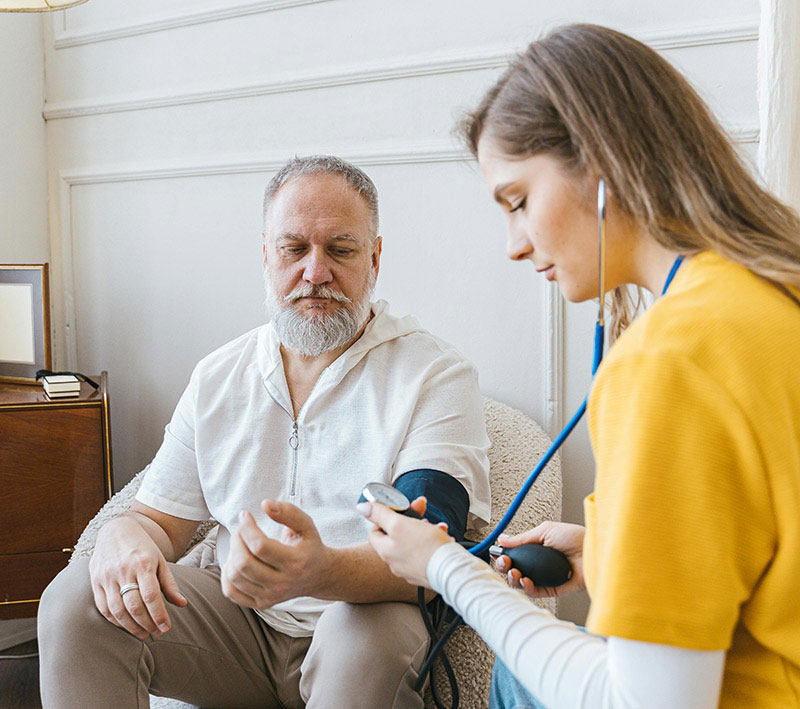
- Ongoing Monitoring: It involves regular checks of vital signs (heart rate, blood pressure, temperature, respiration) and the patient’s overall physical and mental condition.
- Response to Treatment: Skilled observation helps assess how well the patient is responding to treatment, medications, therapies, or other interventions. If a patient is on wound care, for example, skilled observation might involve checking for signs of infection or proper healing.
- Complications Detection: Skilled observation allows healthcare professionals to identify early signs of complications, like infections, adverse reactions to medications, or deterioration in health, and make appropriate interventions or adjustments.
- Safety: The healthcare provider observes the patient for safety issues, such as fall risks, changes in mental status (confusion or disorientation), or signs of medical instability that may require urgent attention.
2. Skilled Assessment in Home Health
Skilled assessment is a more comprehensive, formal evaluation performed by a trained healthcare professional. This assessment is typically done during the initial visit or periodically throughout the course of care. It involves gathering detailed information about the patient's health status to develop and update the care plan.
Key components of a skilled assessment in home health:
- Initial Health Evaluation: The healthcare professional gathers detailed information about the patient’s medical history, current conditions, medications, and any functional limitations. This helps create a personalized care plan.
- Physical Examination: The clinician performs a thorough physical exam, which could include checking mobility, strength, range of motion, wound assessment, and evaluating for signs of pain or discomfort.
- Functional Assessment: It includes evaluating the patient’s ability to perform activities of daily living (ADLs), like bathing, dressing, eating, and walking, as well as identifying any difficulties in mobility or independence.
- Psychosocial and Emotional Evaluation: The clinician assesses the emotional and psychological well-being of the patient. This may involve identifying depression, anxiety, or social isolation, which can impact recovery.
- Care Plan Development: The results of the skilled assessment are used to design a personalized care plan that addresses the patient’s unique needs, goals, and challenges.
- Re-assessment: Periodic re-assessments are performed to ensure the care plan is still appropriate and effective, making adjustments as needed based on the patient's progress or any changes in their condition.
Differences Between Skilled Observation and Skilled Assessment:
 Ani Kolleshi / Pexels
Scope: Skilled observation is generally more focused on tracking day-to-day changes in the patient’s condition, whereas skilled assessment is a more comprehensive evaluation, usually done at the start of care or periodically.
Frequency: Observation is ongoing and happens regularly throughout the course of care, while assessments might be done less frequently but are more in-depth when they occur.
Purpose: Skilled observation ensures that any immediate changes in the patient’s health are detected early and that care is adjusted as needed, whereas skilled assessment helps in planning, adjusting, and monitoring the long-term care approach.
 Antoni Shkraba / Pexels
Example in Practice:
A nurse visits a patient with a wound and observes the healing process. Skilled observation might involve noting any signs of infection, like redness or swelling around the wound.
Meanwhile, during the same visit, the nurse may conduct a skilled assessment to assess the patient’s overall health, check other potential issues (like blood pressure or mobility), and update the care plan to reflect any new findings.
In short, skilled observation and skilled assessment are complementary practices in home health care that ensure patients receive the appropriate care and adjustments based on their ongoing health needs. Skilled observation provides real-time monitoring, while skilled assessment offers in-depth evaluations to guide the care plan. Both are essential for delivering safe, effective care.