Optimal Home Health
  • About Us
    • Our Story
    • Culture, Mission and Core Values
    • Leadership
    • Compliance
    • Privacy Policy
    • HIPAA Notice
    • Medical Billing Rights
    • Non-Discrimination Policy
    • ◀ Back
  • Home Health Services
    • Skilled Nursing
      • Skilled Observation and Assessment
      • Diabetic Management
      • Wound Care
      • Medication Supervision
      • Intravenous Therapy
      • Total Parenteral Nutrition
      • Pain Management
      • Respiratory Treatment
      • Patient and Family Health Education
      • Incontinence Care
      • ◀ Back
    • Home Health Aide Services
    • Social Services
    • Physical Therapy
    • Occupational Therapy
    • Speech Therapy
    • ◀ Back
  • How It Works
  • Careers
    • Job Search
    • Pre-Interview Checklist
    • ◀ Back
  • MHCR

Diabetic Management

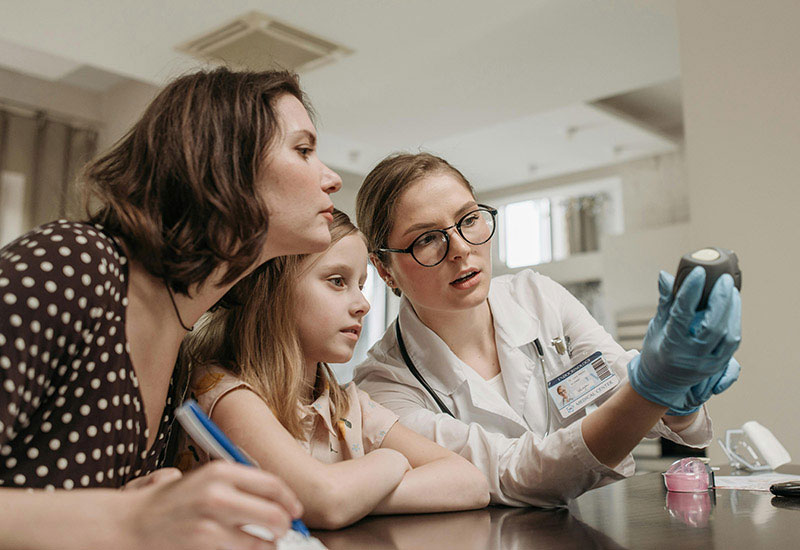
Nataliya Vaitkevich / Pexels

Diabetic Management in Home Health

Diabetic management in home health focuses on helping individuals with diabetes manage their condition safely and effectively while living at home. This often involves a combination of monitoring blood glucose levels, managing medications, adjusting diet and exercise, and providing education and support to ensure long-term health and prevent complications associated with diabetes.

In the context of home health care, a multidisciplinary team — including nurses, physicians, dietitians, physical therapists, and sometimes social workers — work together to help patients manage their diabetes. Here are the key components of diabetic management in home health:
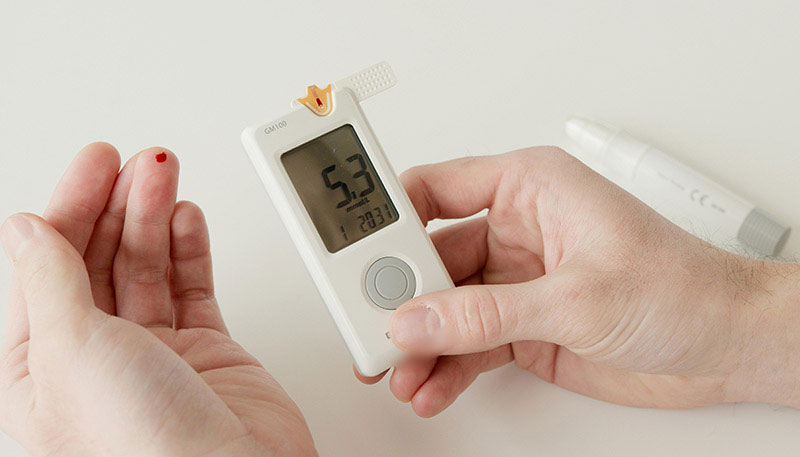

Blood Glucose Monitoring Artem Podrez / Pexels

1. Blood Glucose Monitoring

  • Regular Monitoring: One of the most crucial aspects of diabetes management is monitoring blood sugar levels. Home health nurses may assist patients in checking their blood glucose levels regularly using a glucometer. This helps determine if blood sugar levels are within the target range.
  • Record Keeping: Nurses or caregivers may help the patient keep a log of their blood glucose readings to detect patterns or potential problems and share them with the physician.
  • Adjustments: Based on the blood glucose readings, adjustments may be made tomedication, diet, or exercise to help the patient maintain stable blood sugar levels.

2. Medication Management

  • Insulin Administration: Many people with diabetes need insulin. Home health nurses can assist with teaching patients how to properly inject insulin or help with insulin pumps. They also monitor the effectiveness and help manage any side effects or complications.
  • Oral Medications: For those who take oral medications for diabetes, nurses help ensure the patient takes them on time and understands how to adjust doses based on their glucose levels or doctor's instructions.
  • Education: Nurses and healthcare providers educate the patient and family members on the proper medication regimen, including how to manage missed doses or recognize symptoms of hypoglycemia (low blood sugar) or hyperglycemia (high blood sugar).
Dietary Counseling and Education Vanessa Loring / Pexels

3. Dietary Counseling and Education

  • Balanced Diet: Diet plays a significant role in diabetes management. Home health dietitians or nurses provide guidance on maintaining a balanced diet that supports blood sugar control, including advice on the carbohydrate count, portion sizes, and meal timing.
  • Meal Planning: Nurses and dietitians can work with patients to create individualized meal plans based on their specific health needs and preferences, making sure meals are consistent with managing diabetes.
  • Education on Food Choices: Patients are educated about foods that impact blood sugar and how to make healthier food choices, emphasizing foods that are low in sugar and high in fiber, healthy fats, and lean proteins.

4. Physical Activity and Exercise

  • Exercise Plans: Physical activity is essential for managing blood sugar and maintaining a healthy weight. Home health physical therapists or nurses may help develop and monitor a safe exercise routine tailored to the patient's ability and health status.
  • Exercise Monitoring: Nurses monitor the patient during physical activity to ensure it’s safe, especially in those with complications like neuropathy or cardiovascular issues. They can advise on the intensity and duration of exercise.
  • Benefits of Exercise: Regular physical activity helps the body use insulin more effectively and improves overall cardiovascular health, which is particularly important for diabetic patients.

5. Wound Care and Prevention

  • Foot Care: People with diabetes are at higher risk for foot problems due to poor circulation and nerve damage (neuropathy). Home health nurses regularly check the patient’s feet for signs of infection, blisters, cuts, or ulcers, as these can lead to severe complications.
  • Wound Management: Nurses can assist in proper wound care for any existing ulcers or injuries, helping to prevent infection and promote healing.
  • Education: Patients are taught how to care for their feet, including daily checks, proper footwear, and skin care to prevent injuries.
Patient and Family Education Pavel Danilyuk / Pexels

6. Patient and Family Education

  • Self-management Education: Patients and their families are educated on how to manage diabetes independently. This includes understanding how to monitor glucose levels, interpret results, and make adjustments to their lifestyle, including diet and exercise.
  • Recognizing Symptoms: Patients are trained to recognize the signs of blood sugar fluctuations, such as dizziness, fatigue, confusion (hypoglycemia), or excessive thirst and frequent urination (hyperglycemia).
  • Emergency Protocols: The healthcare team educates the patient and family on what to do in case of an emergency, such as severe hypoglycemia or hyperglycemia, and when to contact a healthcare provider.

7. Complication Prevention and Management

  • Chronic Condition Monitoring: Diabetes can lead to complications like kidney disease, heart disease, neuropathy, or retinopathy. Home health care teams regularly assess for early signs of complications, help monitor kidney function, blood pressure, cholesterol, and other health indicators.
  • Prevention Strategies: Through education and routine checkups, home health providers help patients take preventive measures to avoid or delay complications. For example, blood pressure and cholesterol management are critical in diabetes care to reduce the risk of cardiovascular disease.

8. Psychosocial Support

  • Emotional Well-being: Diabetes can take an emotional toll on patients due to the constant management required and the potential for complications. Home health providers assess the mental and emotional health of patients, offering support or referring to counseling services if needed.
  • Support for Caregivers: Family caregivers also receive education and support to help them provide care for the patient, especially in managing complex aspects of diabetes care.

In Summary:

  • Regular blood glucose monitoring and medication management.
  • Education on diet, exercise, and lifestyle changes.
  • Prevention and management of complications, such as foot care and wound care.
  • Emotional and psychosocial support for both the patient and caregivers.

By providing ongoing care and education, home health professionals help patients with diabetes achieve better outcomes and live healthier lives.

Optimal Home Health
  • Email: info@optimalhh.com
  • Phone: (818) 578-8516
  • Fax: (818) 578-6255
  • Address: 19634 Burbank Blvd. Suite 218 Tarzana, CA 91356
  • Our Story
  • Home Health Aide Services
  • How It Works
  • MHCR
  • Privacy Policy
  • HIPAA Notice
  • Non-Discrimination Policy
  • Contact Us
© 2025